
Slot Volatility Explained: Why Your $100 Lasts Longer on Some Machines
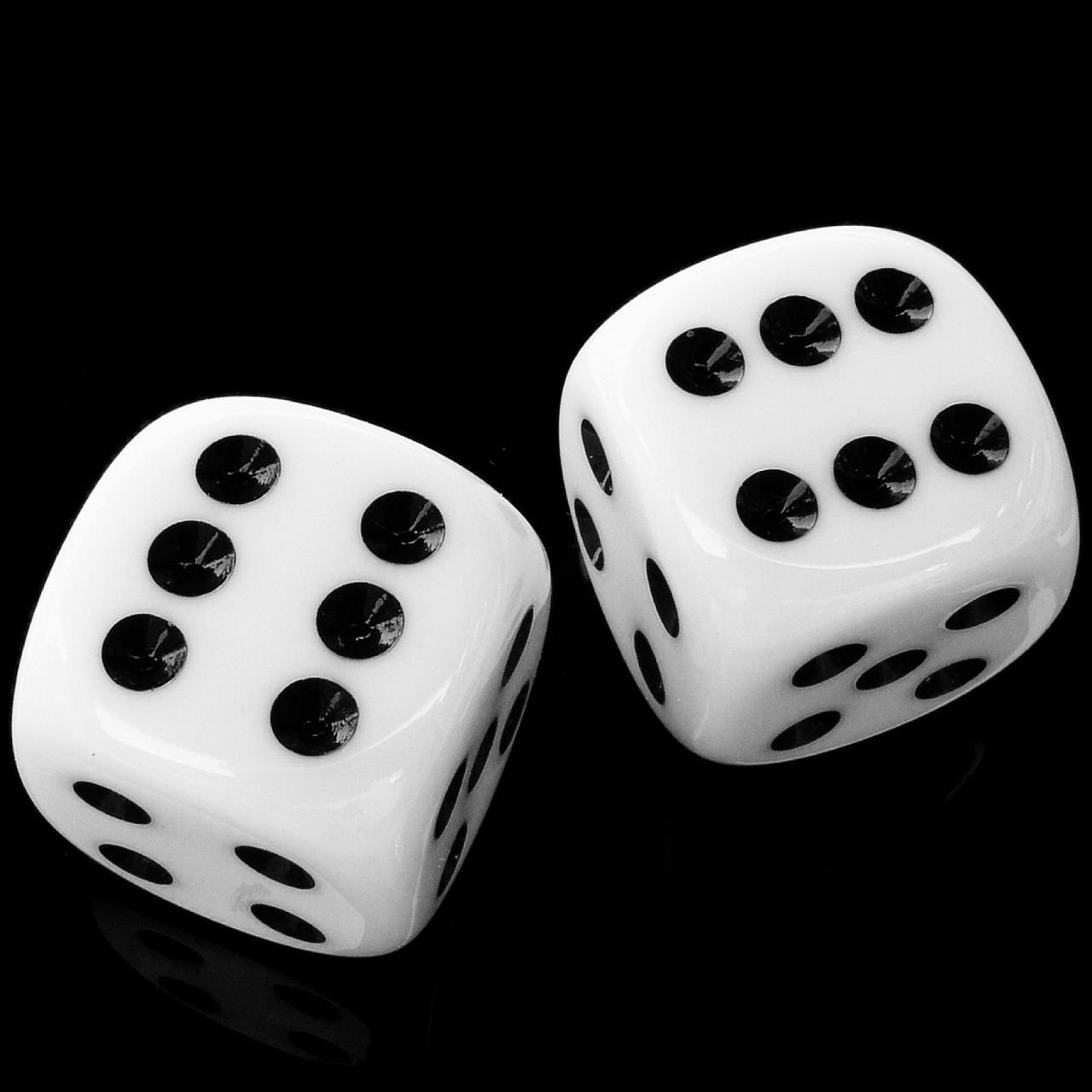
Two players sit down at identical $1 slots with $100 each. Ninety minutes later, one is down to $40 and bored out of her mind. The other is sitting on $380 and just hit her third bonus round. Same bankroll, same stakes, wildly different sessions. The variable nobody talks about at the bar? Volatility.
If you've ever wondered why your favorite slot drains your balance while your buddy's "lucky machine" seems to pay out every ten spins, you're not imagining things. You're also not unlucky. You're playing a game with a mathematical personality you never bothered to check.
What Slot Volatility Actually Means
Volatility (sometimes called variance) describes how a slot distributes its payouts over time. Two machines can have the exact same RTP — say, 96% — and behave like completely different animals.
A low-volatility slot pays small amounts frequently. You'll see lots of $2 and $5 wins, your balance will chip away slowly, and you'll rarely experience a massive hit. Think Starburst or most classic 3-reel games. A high-volatility slot does the opposite: long dry spells punctuated by rare, enormous payouts. Money Train 2, San Quentin, and most "megaways" titles fall into this camp.
Here's the concrete part most players miss. A low-volatility slot might have a max win of 500x your stake. A high-volatility one might offer 50,000x. That difference is baked into the math, not the mood of the machine.
The RTP Trap Nobody Warns You About
RTP — return to player — is the long-run percentage a slot pays back. A 96% RTP means, theoretically, the machine returns $96 for every $100 wagered across millions of spins. Sounds close to fair, right?
The catch: RTP is calculated over an essentially infinite sample size. In a 200-spin session, your real return could be 0% or 400% and both are statistically normal. RTP tells you almost nothing about what happens in your next hour of play.
What matters more in the short term is volatility. Two slots with 96% RTP: This is explained well on 999bett.in.net.
- Low volatility: You'll likely lose about 4% of your total wagered over a long session, but it'll feel gradual.
- High volatility: You might lose 100% of your bankroll in 15 minutes — or walk away with 20x your starting amount.
Neither is "better." They're different tools for different goals. If you want a long, relaxing session, high volatility will rob you of that experience regardless of RTP.
Matching Volatility to Your Bankroll
Here's where most players get it backwards. They pick a slot based on theme, then complain when it eats their balance. Instead, work in the other direction.
- Decide how long you want to play. A two-hour session with a $100 bankroll calls for low or medium volatility. A 20-minute shot at a life-changing hit calls for high volatility.
- Check your bet size relative to bankroll. A common rule: your bankroll should cover at least 200 spins at your chosen stake. On $100, that's $0.50 per spin. Anything higher and high volatility will wipe you out fast.
- Read the slot's volatility rating. Most casinos publish it — look for "low," "medium," or "high." Third-party sites like SlotCatalog and Bigwinboard rate thousands of titles.
- Watch for max win caps. A 100,000x max win sounds incredible, but if the slot is high volatility, you might need millions of spins to see it.
Poker players understand this instinctively. They adjust their aggression based on stack depth. Slots players should adjust their machine choice based on session length and bankroll. Same principle, different game.
Why "Lucky" Machines Are a Myth
Let's deal with the elephant in the room. Modern slots run on random number generators certified by testing labs like eCOGRA and GLI. Every spin is independent. A machine that just paid out $5,000 is no more or less likely to pay again than one that's been cold for six hours.
That said, there's a real practical edge in understanding volatility patterns. If you know a slot has a 1-in-450 hit frequency for its bonus round (common for high-volatility games), you won't panic after 200 spins without a trigger. You'll know the math. And when you do hit, you'll recognize the pattern for what it is — variance evening out, not a hot streak.
Volatility in Other iGaming Verticals
Slots don't own volatility. It shows up everywhere once you start looking.
In poker, cash games have lower variance than tournaments. A $2/$5 cash grinder can play for decades on a 30-buy-in bankroll. A tournament player needs 100+ buy-ins because the payout structure is high-volatility by design — most players win nothing, a few win huge.
In sports betting, a straight moneyline bet on a heavy favorite is low volatility. A 10-leg parlay is extreme high volatility. Same sport, wildly different risk profiles.
In blackjack, the house edge stays fairly constant (0.5% with basic strategy), so volatility is mostly a function of your bet spread and whether you're counting cards.
The through-line: volatility is the shape of the ride. RTP is the destination. You need to understand both, but for any given session, volatility governs your actual experience.
Practical Takeaways
Next time you load up a casino lobby, spend 60 seconds doing this:
- Pick a target session length first.
- Set your per-spin stake at 0.5% or less of your bankroll.
- Check the volatility rating before you spin, not after.
- Treat bonus buy features with respect — they're built for volatility chasers.
- Walk away when your session target is hit, win or lose.
The difference between a player who grinds and a player who gets drained isn't luck, skill, or some secret "hot slot" list floating around a forum. It's knowing what kind of machine you're sitting at and having a bankroll that fits.
Casinos publish RTP for a reason and regulators force them to. Volatility ratings are equally public if you know where to look. Between those two numbers, you have about 90% of what you need to pick a slot that matches your bankroll, your patience, and your ambition. The other 10% is folding the losing sessions in stride — because no volatility profile changes the fundamental math of a house-edge game.
Play the long run. Size your bets like someone who plans to still be playing next month. And when a high-volatility slot hands you a 2,000x hit, cash it — because the next four sessions on that same machine will probably remind you exactly what high volatility means.


Fine fescue blends tolerate lower light levels and drier soils, helping you establish a greener lawn beneath trees and north-facing walls.
Prepare a firm sub-base, use a weed membrane and edge the gravel with stone or timber to stop loose chippings spreading into borders.
Leave a small gap in fencing, avoid slug pellets and create a leaf pile so hedgehogs can forage safely between neighbouring gardens.
Clear fallen leaves, move tender pots under cover and mulch bare soil to protect roots before the first cold snap arrives.