
Autumn Jobs to Prepare Your Garden for Frost
Read the Warning Signs Before the Frost Arrives
The first proper frost usually creeps in quietly. Ground frost can arrive from late September in sheltered northern spots, while a hard air frost — the kind that blackens dahlias overnight — often waits until late October or November. The difference matters: a grass frost nips the lawn surface, but an air frost of minus 2°C or lower reaches the soil and the roots sitting in it.
Watch the forecast for clear, still nights. Cloud and wind keep warmth trapped near the ground; a crisp, windless evening is nature's warning shot. If you can, get the protective jobs done by the end of October, while the soil is still workable and the days are long enough to see what you're doing.
Clear Fallen Leaves and Let the Light In
A thick layer of wet leaves does more harm than good. On a lawn it blocks light and air, weakens the grass beneath and creates the sort of damp, stagnant conditions where fungal problems take hold. On borders it can smother low-growing alpines and small herbaceous plants completely.
Rake little and often rather than waiting for one big tidy-up. Damp leaves are heavier and clump together, so a dry morning after a breezy night is ideal. Pay particular attention to:
- Lawns, especially fine turf and newly sown patches
- Gravel paths and paved areas, where leaves turn slick and slippery
- Around the crowns of alpines, herbs and small bulbs
- Gutters, drain covers and water butts, which block fast in autumn
Don't bin the leaves. Packed into a bin bag with a few holes punched in it, or piled into a wire frame, they break down into crumbly leaf mould in a year or two — some of the best soil conditioner you can get, and free. Oak, beech and hornbeam leaves are slow to rot; sycamore and lime break down much faster. Keep the two lots separate if you can.
Move Tender Pots Under Cover
Anything growing in a container is far more vulnerable than the same plant in open ground. Compost in a pot freezes from the sides as well as the top, so roots sit in an ice block. Tender subjects such as pelargoniums, fuchsias, citrus, olives, tree ferns and most succulents need to be off the patio before the first hard frost.
Before you shift anything, check it over for pests and dead foliage. A slug or vine weevil grub tucked into a pot will happily overwinter in the greenhouse and cause far more trouble come spring.
- Move pots into a greenhouse, conservatory, porch or cool spare room
- Group remaining pots together against a south-facing house wall for shared warmth
- Stand them on pot feet or bricks so drainage holes don't sit in standing water
- Wrap terracotta and glazed pots in bubble wrap or hessian to stop them cracking
- Lift pots onto a layer of gravel if they must stay outside
Cut back on watering but don't stop entirely, particularly for evergreens, which lose moisture through their leaves all winter. Water in the morning on mild days so surplus drains away before nightfall.
Mulch Bare Soil While It's Still Workable
Mulching is the single most useful thing you can do for roots in autumn. A generous blanket of organic matter slows how quickly the soil freezes, moderates the freeze-thaw cycle that heaves young plants out of the ground, and feeds the worms and soil life doing the hard work beneath.
Wait until the soil is damp and the ground has cooled, but before it becomes frozen or waterlogged. Aim for a layer around 5–8cm (2–3in) deep over bare ground. Well-rotted manure, garden compost, spent mushroom compost and leaf mould all work well. Keep the material clear of stems and trunks — a mulch collar pressed against bark traps moisture and encourages rot. Leave a gap of a few centimetres around each crown.
Don't mulch dry soil and expect rain to soak through; water thoroughly first if the autumn has been dry, then mulch on top.
Tuck In Roots, Crowns and Newly Planted Shrubs
Plants put in this autumn haven't had time to anchor themselves, and frost heave can lift them clean out of the ground. After a cold night, walk the garden and firm any lifted plants back in gently with your boot heel, then water them in if the ground is dry.
For tender perennials left in the ground — dahlias, cannas, ginger lilies — a thick mulch of straw, bark or bracken over the crown offers real protection. Some gardeners lift dahlia tubers entirely, drying them off and storing them in damp sand or compost in a frost-free shed. Both approaches work; lifting is safer in cold, wet districts where crowns rot.
Elsewhere, a few quick jobs make a difference:
- Wrap tree fern crowns with fleece or dry straw and tie it in place
- Lag outdoor taps, insulate exposed pipes and drain hoses
- Check stakes and tree ties, loosening any that have become tight
- Leave seedheads on teasels, echinacea and sedum for the birds
- Ventilate the greenhouse on mild days to keep damp air moving
A Quick Checklist for the Night Before a Frost
When the forecast warns of a cold snap, a couple of hours' work can save a season's growing. Drape horticultural fleece over tender plants and secure it with pegs or stones — fleece is far better than plastic sheeting, which traps condensation and freezes against the leaves. Move any remaining pots into the porch or against the house wall. Water containers earlier in the day if the compost is dry, as damp soil holds warmth better than dry.
Then leave everything alone until mid-morning. Frost damage often looks worse than it is, and cutting back blackened foliage too early exposes healthy growth beneath. Wait until the risk of hard frost has passed, then tidy up, feed nothing, and let the garden rest. Do these jobs well now and your borders, pots and lawns will come back stronger the moment spring arrives.


Combine hostas, ferns and trailing ivy in larger pots, using a loam-based compost that holds moisture during dry spells.
Spread well-rotted organic matter each autumn and avoid digging wet clay, which can compact the structure and damage drainage.
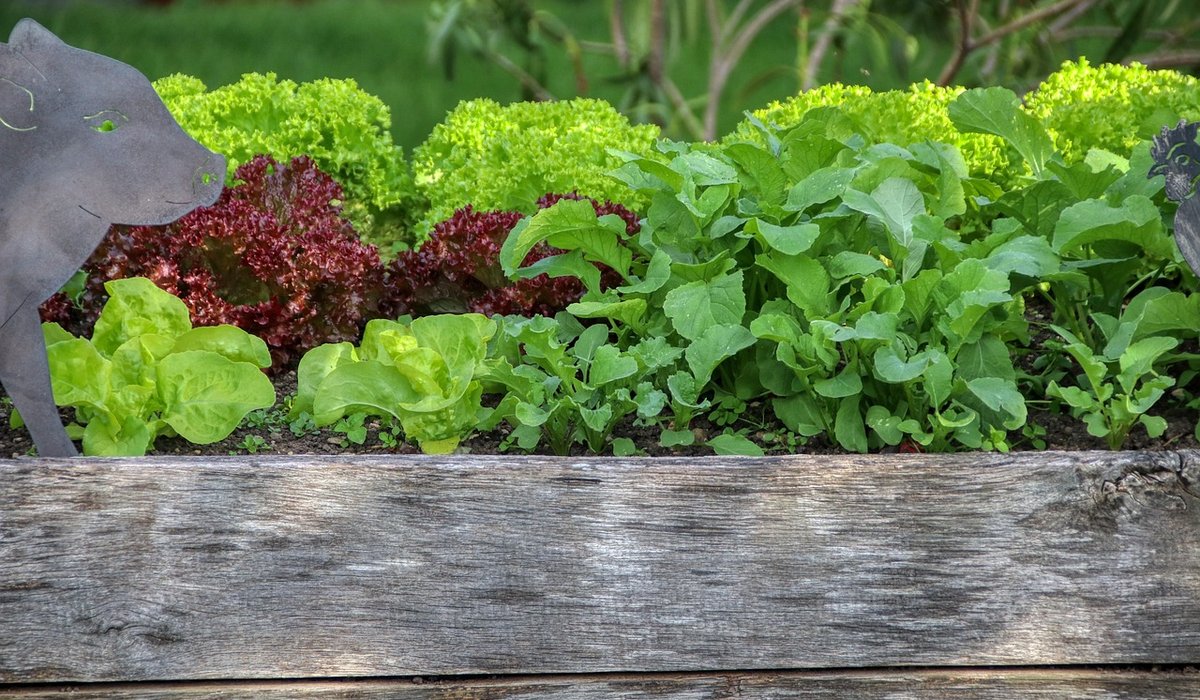
Use untreated timber to create a bed no wider than 1.2 metres so you can reach the centre without stepping on the soil.
Layer tulips, daffodils and crocus in pots or borders at different depths to enjoy flowers from late winter onwards.